Inclusion, accessibility and equal opportunity
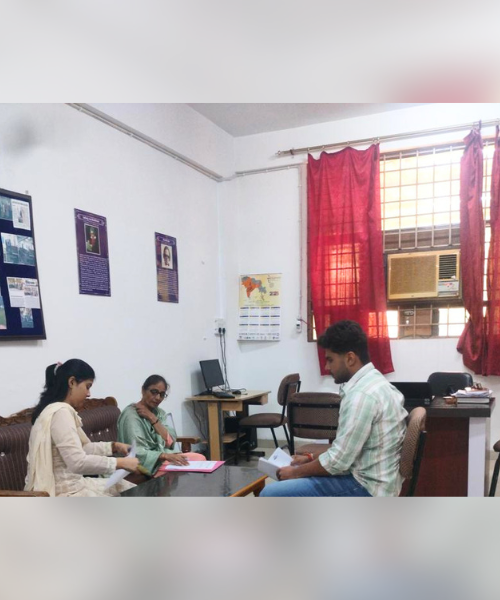
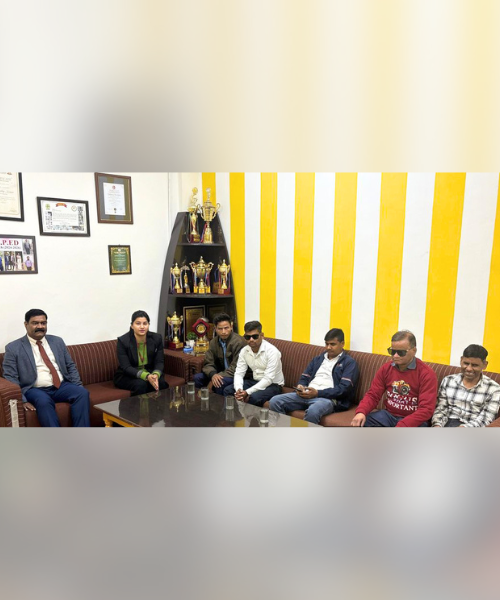
The Subharti Disability Advisory Service Centre (SDASC) at Swami Vivekanand Subharti University is committed to promoting an inclusive, accessible, equitable and empowering university environment for students and employees with disabilities.
The Centre works towards ensuring that disability is never a barrier to learning, participation, personal development or professional growth. Guided by equality, dignity, accessibility, participation and equal opportunity, SDASC seeks to facilitate meaningful inclusion across academic, administrative, cultural, sports and community activities.
Through awareness programmes, disability-related guidance, accessibility initiatives, interdepartmental collaboration and community outreach, the Centre strives to foster a campus culture in which every individual is respected, supported and encouraged to realize their full potential.
Vision & Mission
Our Vision
To emerge as centre of excellence in disability advisory, services and special education, nurturing potential and promoting inclusive development throughout the university.
Our Mission
To eliminate educational and social barriers faced by persons with disabilities (PwDs), promote inclusive practices and community services, and build a strong academic foundation for future special educators and disability professionals.
Our Objectives
- Support the academic, social and professional inclusion of students and employees with disabilities.
- Facilitate the identification of accessibility needs and coordinate with relevant university authorities for appropriate support.
- Encourage accessible learning materials, inclusive assessment practices and the use of assistive technologies.
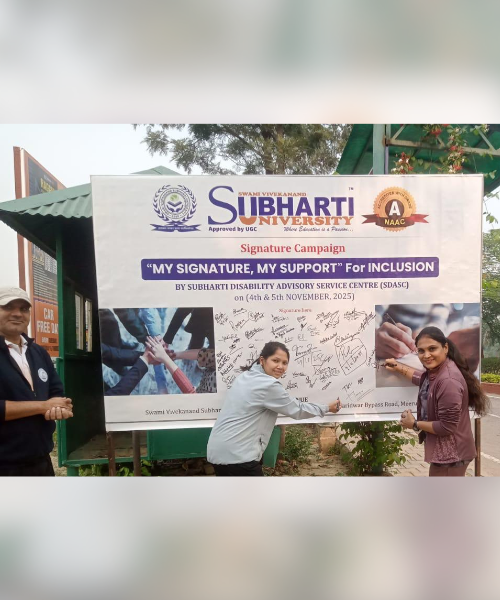
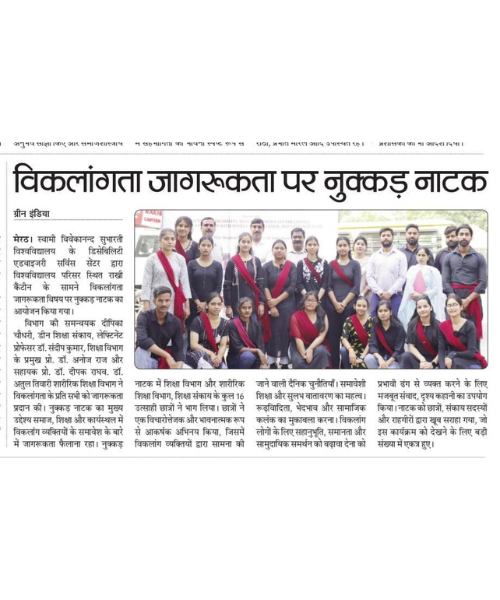
- Promote disability awareness, sensitization and capacity-building among students, faculty and staff.
- Facilitate guidance regarding disability documentation, UDID-related services, scholarships and other applicable benefits.
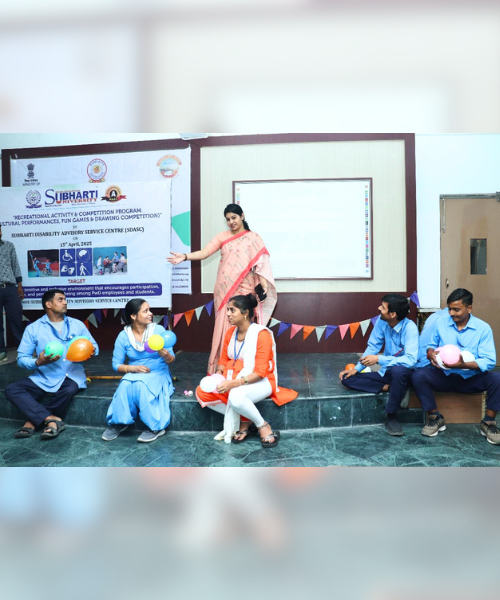
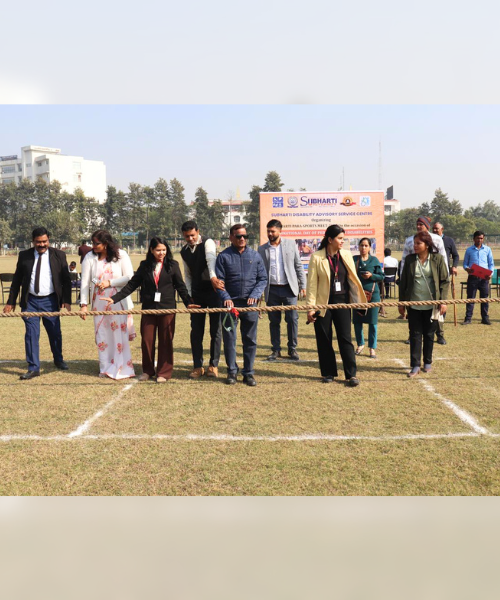
- Organize outreach programmes, awareness campaigns, inclusive sports and community engagement activities.
- Encourage compliance with applicable disability rights legislation, RCI, UGC guidelines and relevant institutional policies.
- Strengthen a culture of universal accessibility, participation and respect throughout the university.
Facilities and Support for Students and Employees with Disabilities
SDASC serves as a facilitation and coordination point for disability-related support within the university. The following areas describe the support and accessibility provisions to be communicated to students, employees and visitors.
01Academic Support and Reasonable Accommodation
- Guidance on disability-related academic support and reasonable accommodation, as applicable under university rules and approved norms.
- Facilitation of requests for additional examination time, scribes or readers, where eligible and approved.
- Guidance regarding accessible study materials, digital documents and alternative learning formats such as Braille Books.
- Encouragement of inclusive classroom practices and flexible teaching-learning approaches.
- Scribe and Reader Support.
- Coordination with academic departments to address disability-related learning barriers.
- Guidance on accessible examination and assessment arrangements under applicable regulations.
02Physical Accessibility and Barrier-Free Campus
- Information and guidance regarding accessible routes and entry points across university facilities.
- Facilitation of accessibility concerns involving ramps, lifts, handrails and accessible pathways.
- Coordination regarding accessible washrooms and other essential campus facilities.
- Identification and reporting of physical barriers that may restrict movement or participation.
- Promotion of accessible classrooms, offices, laboratories, libraries and common areas.
- Encouragement of universal design principles in campus infrastructure and future development.
03Assistive Devices and Accessibility Support
- Guidance regarding assistive devices and disability-related support requirements.
- Information on relevant government schemes and eligible assistive-device services.
- Support in identifying appropriate referral or assessment services through authorized agencies and professional departments, where available.
- Promotion of assistive technology and accessible digital resources for independent learning and participation.
- Guidance on accessibility requirements for individuals with visual, hearing, locomotor, intellectual, developmental and other recognized disabilities.
04UDID and Disability Documentation Guidance
- Guidance regarding the Unique Disability ID (UDID) initiative and the relevant application process.
- Information about disability certificates and supporting documentation.
- Coordination with appropriate authorities for disability-related facilitation camps, subject to arrangements and approvals.
- Information about applicable eligibility requirements for university support and government benefits.
05Scholarships, Fee Concessions and Welfare Guidance
- Guidance regarding applicable scholarships, financial assistance, fee concessions and other eligible welfare provisions.
- Information about relevant government schemes and support programmes for persons with disabilities.
- Information about documents and procedures required to access applicable benefits.
- Coordination with university offices for clarification of eligibility and application procedures.
06Support for Employees with Disabilities
- A facilitation point for disability-related workplace accessibility concerns.
- Guidance regarding reasonable accommodation and workplace accessibility requirements.
- Coordination with administrative authorities to address barriers affecting work-related participation.
- Promotion of an inclusive and respectful work environment.
- Awareness regarding applicable disability rights, workplace accessibility and equal-opportunity provisions.
07Digital Accessibility and Inclusive Communication
- Promotion of accessible digital documents, learning resources and communication materials.
- Encouragement of screen-reader-compatible content and accessible university web resources.
- Promotion of clear, readable and inclusive communication across university platforms.
- Awareness regarding accessible presentations, captions, alternative text and other inclusive digital practices.
- Coordination with university departments to identify and communicate digital accessibility requirements.
Activities and Initiatives
SDASC promotes disability inclusion through institutional collaboration, awareness, capacity-building and community engagement.
Disability Awareness and Sensitization
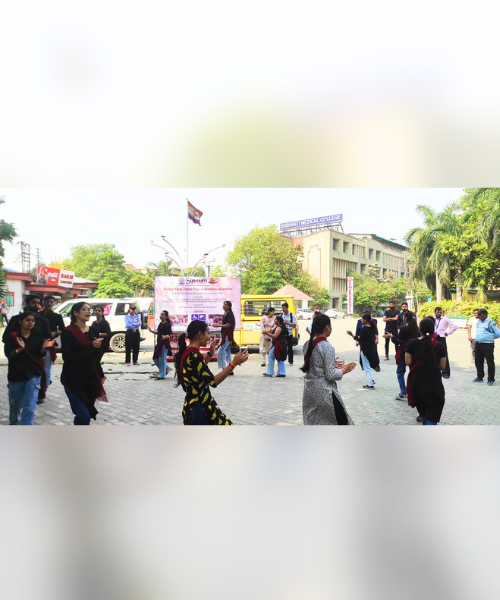
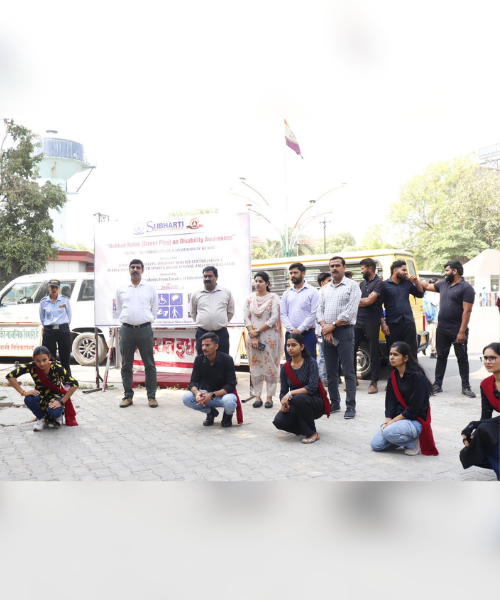
Programmes to promote understanding, respect, disability rights and inclusive attitudes among students and employees.
Inclusive Sports and Recreation
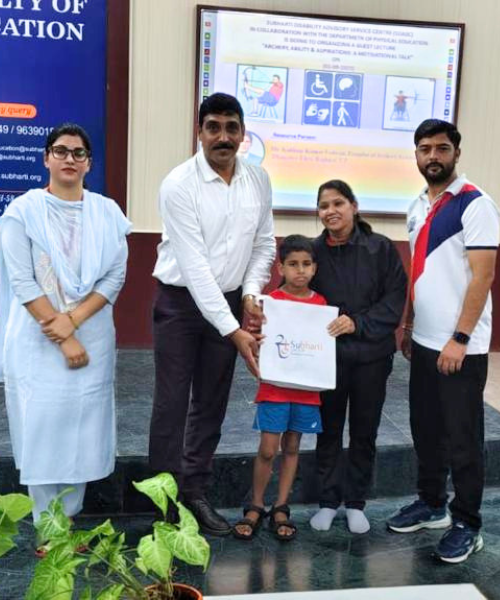
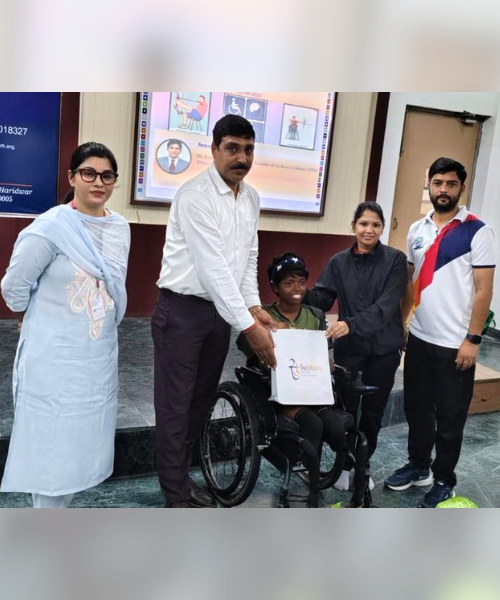
Encouraging participation in adapted sports, physical activities and recreation with relevant departments.
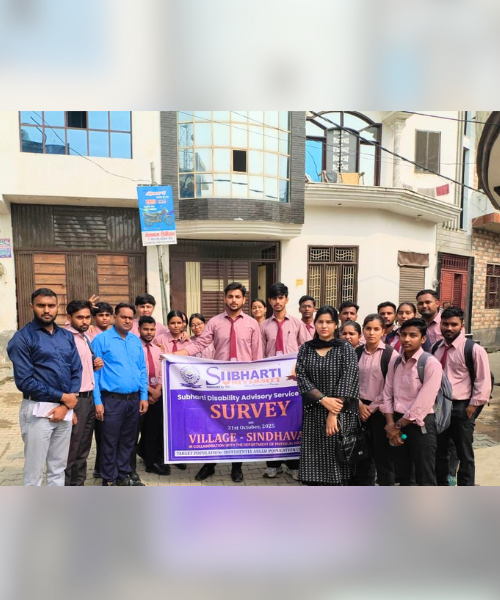
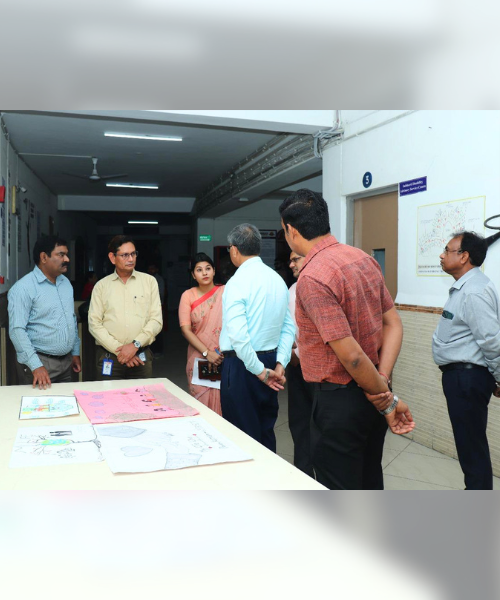
Accessibility Awareness and Campus Surveys
Identifying barriers and encouraging improvements in the accessibility of university spaces and services.
UDID and Disability Facilitation Camps
Supporting access to relevant information and services through coordination with authorized agencies.
Inclusive Education and Universal Design for Learning
Promoting accessible teaching strategies, inclusive curriculum design and participation for diverse learners.
Community Outreach
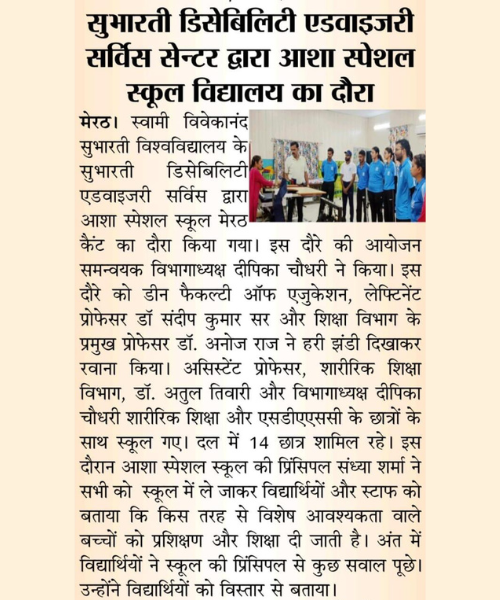
Collaborating with special schools, rehabilitation centres, community organizations and professional departments.
Health and Rehabilitation-Related Initiatives
Facilitating appropriate awareness, assessment or referral activities through relevant professionals and partner organizations, where arranged.
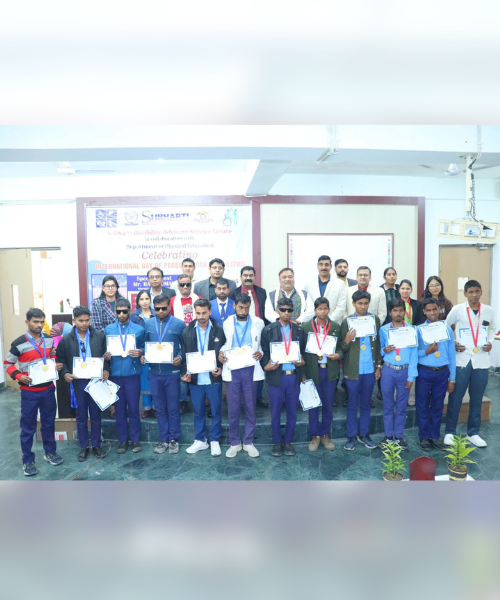
Disability-Related Observances
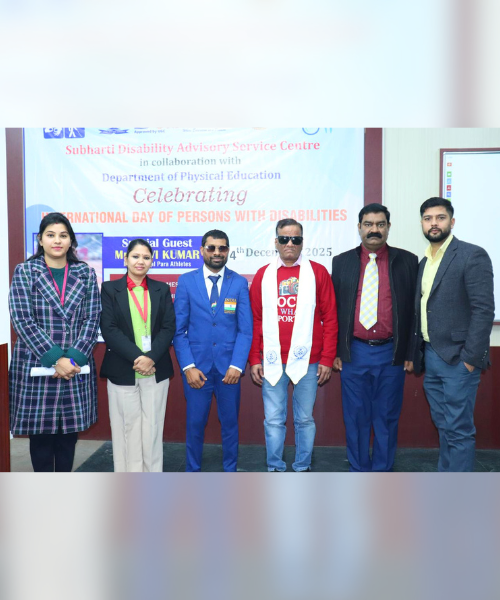
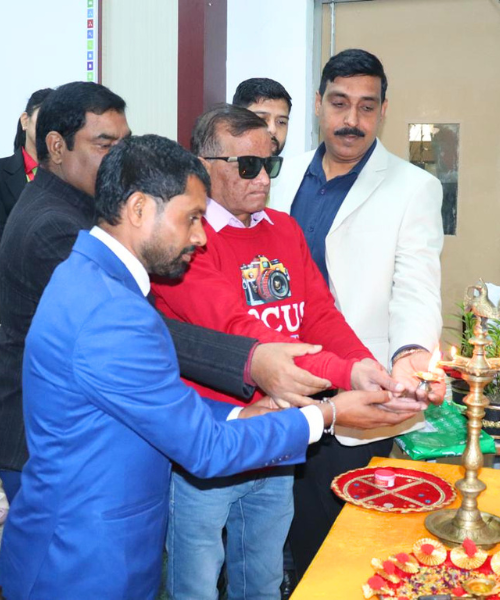
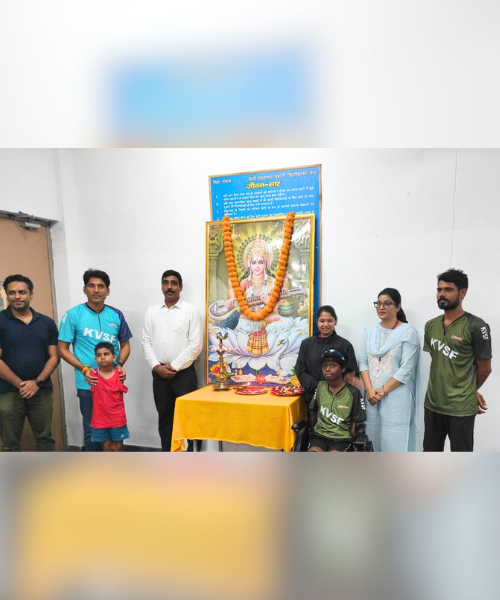
Organizing activities around the International Day of Persons with Disabilities and other relevant occasions.
Interdepartmental Collaboration
Working with academic and administrative departments to strengthen disability-responsive services and inclusive campus practices.
Our Approach to Inclusion
At SDASC, inclusion is understood as a shared institutional responsibility. The Centre encourages the participation of persons with disabilities in planning, decision-making and university life.
Recognizing the rights, individuality and autonomy of every person.
Promoting fair opportunities and appropriate support according to individual needs.
Identifying and reducing physical, academic, communication and digital barriers.
Encouraging meaningful involvement in academic, cultural, sports and professional activities.
Working with university departments, professionals, families, community organizations and relevant authorities.
Who Can Approach SDASC?
- Students with disabilities enrolled at the university.
- Teaching and non-teaching employees with disabilities.
- Students and employees seeking information about accessibility and reasonable accommodation.
- Faculty members and departments seeking guidance on inclusive teaching and disability-responsive practices.
- University stakeholders interested in disability awareness, accessibility and inclusive campus development.
Working Together for an Inclusive Campus
Creating an inclusive university requires collective effort. SDASC encourages students, employees, faculty members, administrative departments and community partners to contribute towards identifying barriers, sharing suggestions and developing practical solutions.
By promoting awareness, accessibility, collaboration and equal participation, the Centre aspires to help build a university environment in which diversity is respected and every individual has the opportunity to thrive.
Contact the Centre
For disability-related guidance, accessibility concerns, reasonable accommodation requests, awareness programmes and collaboration opportunities, please contact the Centre through the university's official communication channels.
Dr. Dipika Choudhary
Subharti Disability Advisory Service Centre (SDASC), Ground Floor, Faculty of Education, SVSU, Meerut.