The Centre for Multi-disciplinary Studies & Research Centre (CMSR) was established by the University in 2024 aiming to expand SVSU research infrastructure and capacity and facilitate exchanges and collaboration across multiple disciplines and sectors. The CMSR is currently funded by University resources.
The CMSR is established for initiation of a diverse range of research and practical/training workshops and conference/ press conference with organizations/ personnel in different disciplines to enhance the interest and atmosphere of research among the staff and students.
The Multidisciplinary education, as envisaged in the NEP- 2020 aims to develop social, physical, intellectual, emotional, and moral capacities of human beings in an integrated manner. A flexible curriculum will facilitate creative combinations of various disciplines. Learners will be able to choose from languages and at the same time fields such as Applied Sciences, Allied Health Sciences, Medical, Dental, Nursing, Education, Management, Pharmacy, Law, Mathematics, and Business Studies. This aims at developing critical thinking, versatility, adaptability, problem solving, flexibility, and analytical and communication skills in the learners. The opportunities of doing research are enhanced and improved through a holistic and multidisciplinary approach.
The Centre for Multi-disciplinary Studies & Research Centre (CMSR) has following departments offering Multidisciplinary / Interdisciplinary UG, PG, and Ph.D Programs and Research intensive programs of studies;
1. Department of Interdisciplinary Studies
2. Department of Integrated Research
3. Department of International Relations
4. Department of Defense Studies
5. Department of Forensic Sciences
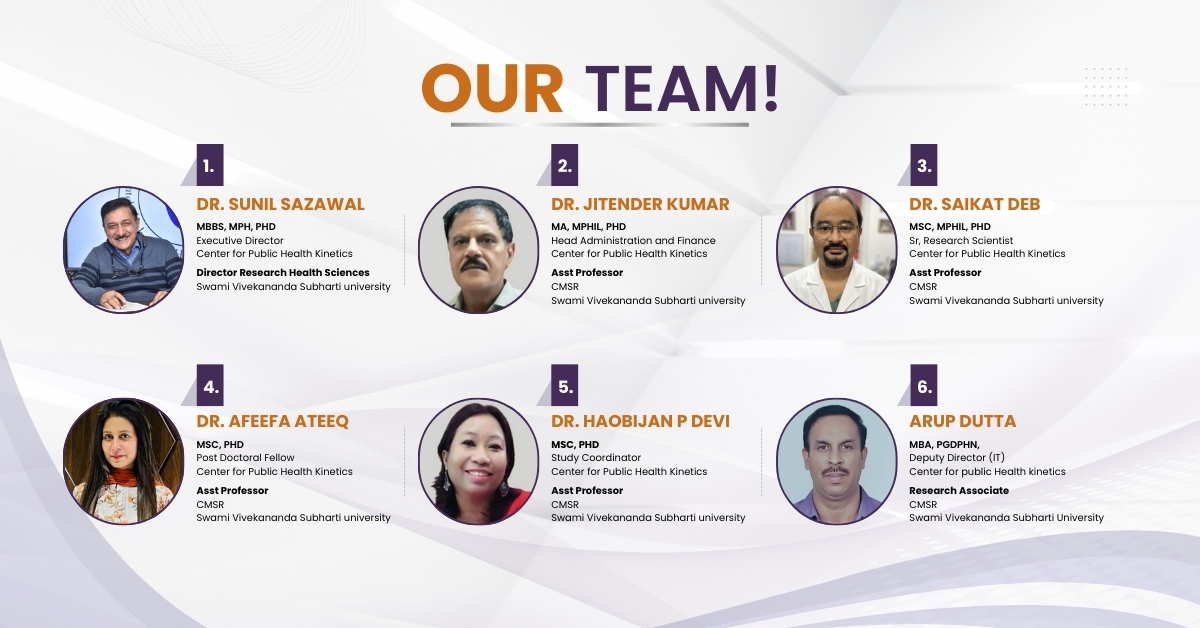
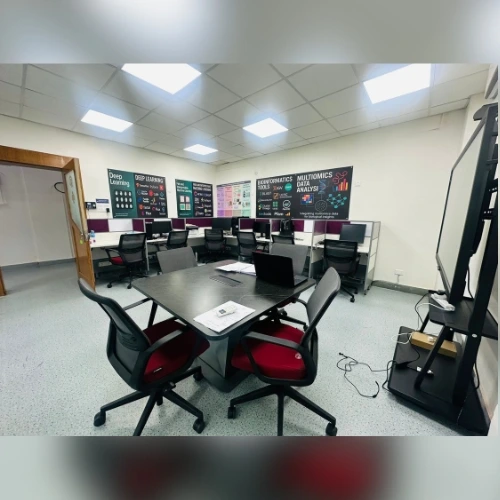
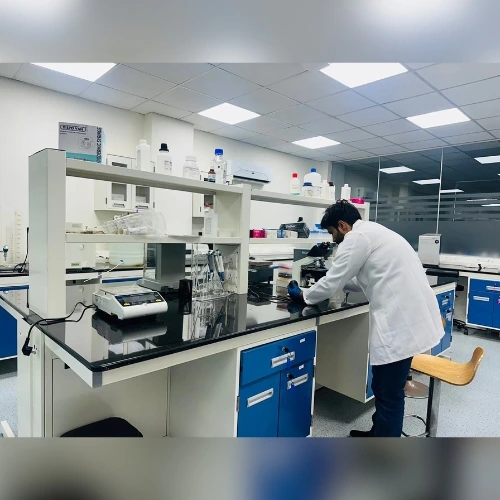
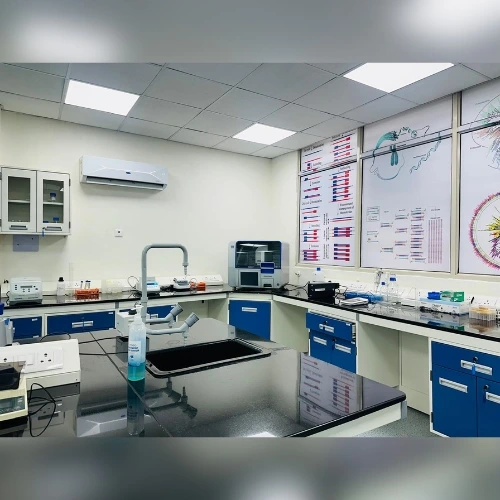
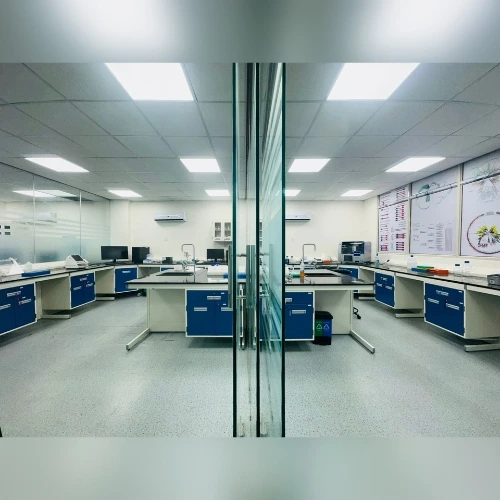
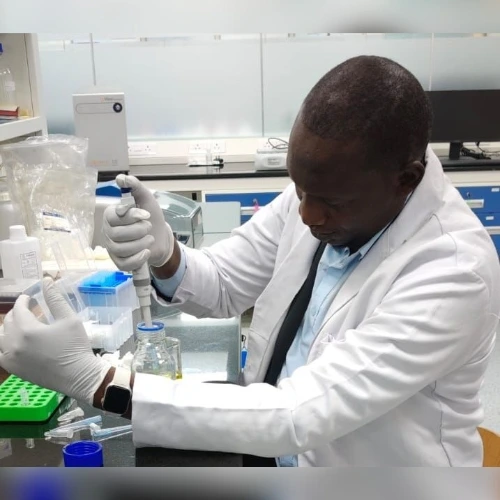
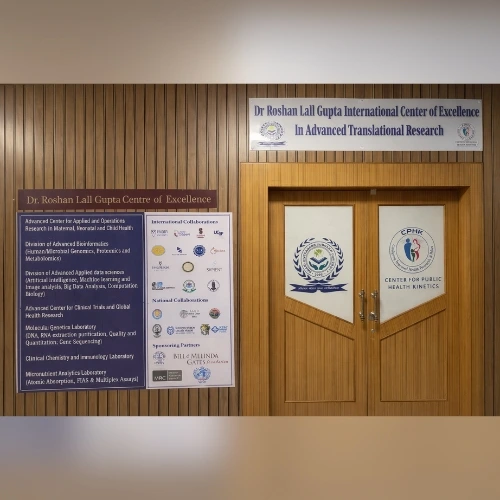
The Center for Public Health Kinetics (CPHK), originally founded in 1995 as the Center for Micronutrient Research, is a distinguished not-for-profit institution dedicated to advancing public health through rigorous research and preventive medicine. Strategically located in New Delhi, India, with key collaborative centers in Zanzibar and strong ties to international academic bodies and funding partners such as the Bill & Melinda Gates Foundation, CPHK focuses intensely on Newborn, Maternal, and Adolescent Health. CPHK has significantly strengthened its research infrastructure by establishing a state-of-the-art laboratory and Center of Excellence in collaboration with Swami Vivekananda Subharti University in Meerut, Uttar Pradesh, India. Its mission is to generate evidence that directly informs and catalyzes public health policy, aiming to save lives in marginalized countries by tackling challenges aligned with the Sustainable Development Goals (SDGs) for 2030.
A core strength and achievement of CPHK lies in its active participation and leadership within major international consortiums, significantly amplifying its impact on global health policy. CPHK is a vital part of the Alliance for Maternal and Newborn Health Improvement (AMANHI) and the Multi-Omics for Mothers and Infants (MOMI) Consortium. Beyond these, CPHK boasts extensive international collaborations with world-renowned institutions such as Stanford University, the University of California, San Francisco (UCSF), Cincinnati Children's Hospital Medical Center (CCHMC), and the Max Planck Institute in Germany. These partnerships enable CPHK to engage in cutting-edge research utilizing multi-omics approaches to unravel complex maternal and child health problems. Their recent research work extends to the fields of metagenomics and gut microbiome research, exploring how these intricate biological systems influence health outcomes in mothers and infants. As a international collaborating partner CPHK has provided crucial data that reinforced the efficacy of zinc supplementation in reducing the duration and severity of childhood diarrhea, leading to the widespread adoption of zinc as a standard treatment by organizations like WHO and UNICEF. Furthermore, CPHK's research on micronutrient deficiencies, including iron supplementation, has provided critical data that informs global policies for combating anemia and improving maternal and child health outcomes especially in malarial endemic areas of the world. By leveraging advanced scientific methodologies and global partnerships, CPHK continues to identify causality and risk factors for adverse health outcomes, solidifying its role in shaping evidence-based public health solutions.

.png)
